Start with one question
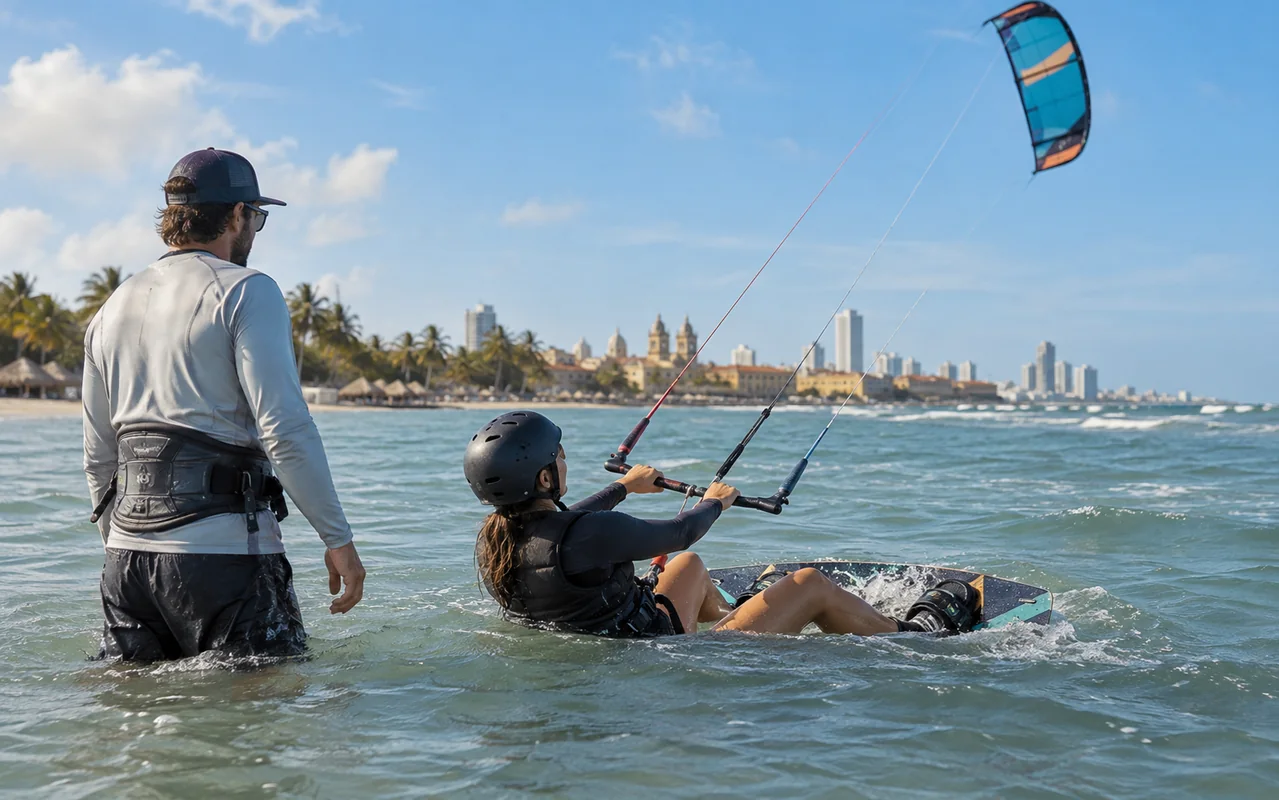
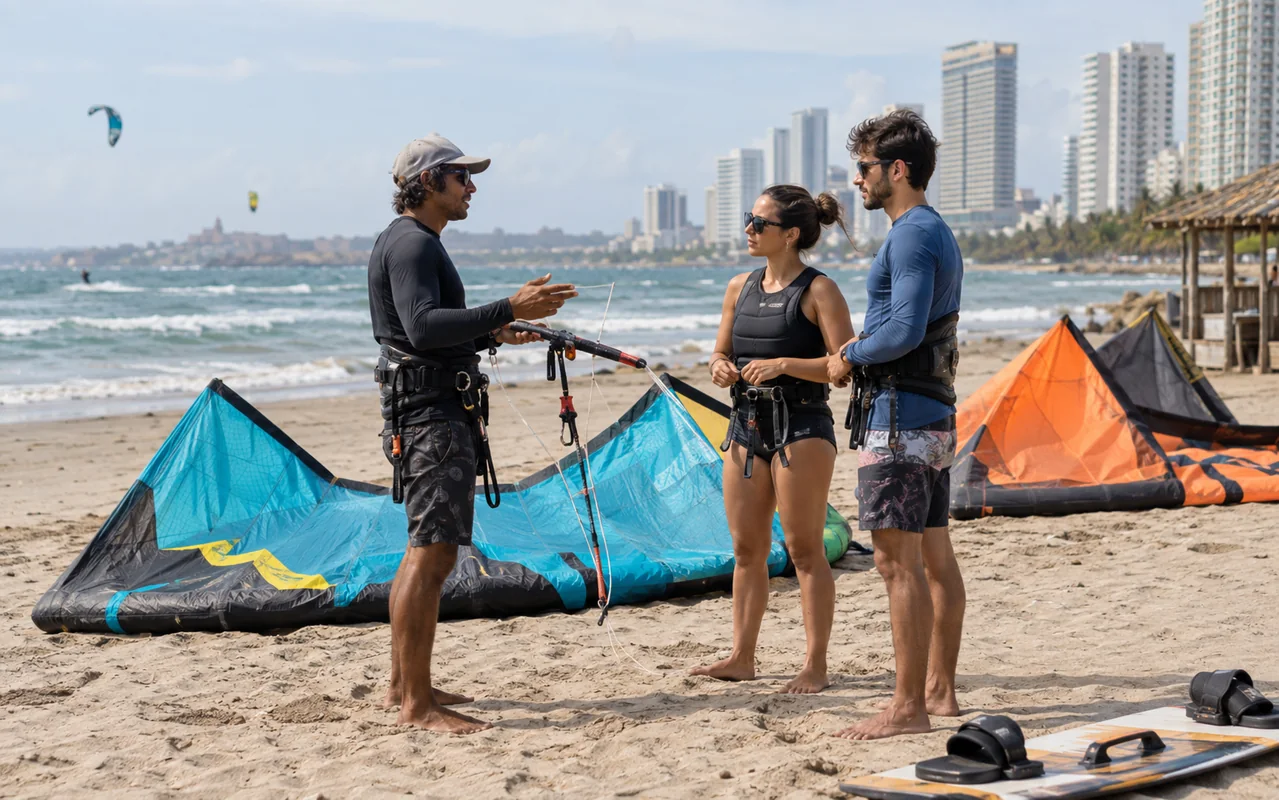
Video helps most when it answers something specific: why a start fails, when you lose direction or what differs between two attempts. Recording an entire afternoon without a goal creates much footage and little actionable information. Agree first on the exercise being observed.
What needs to be visible
Ask your instructor which framing supports that objective. A tight shot may hide the kite or trajectory; a distant shot may obscure posture. The person filming must stay outside the manoeuvring area and should not make you approach them for a better image.
Review a few sequences
Select one representative attempt and a contrasting one. Describe what you felt before reviewing the footage with your instructor. Identify one priority correction rather than an endless list of faults. Repeat the exercise only within the agreed teaching plan.
Delivery and image use
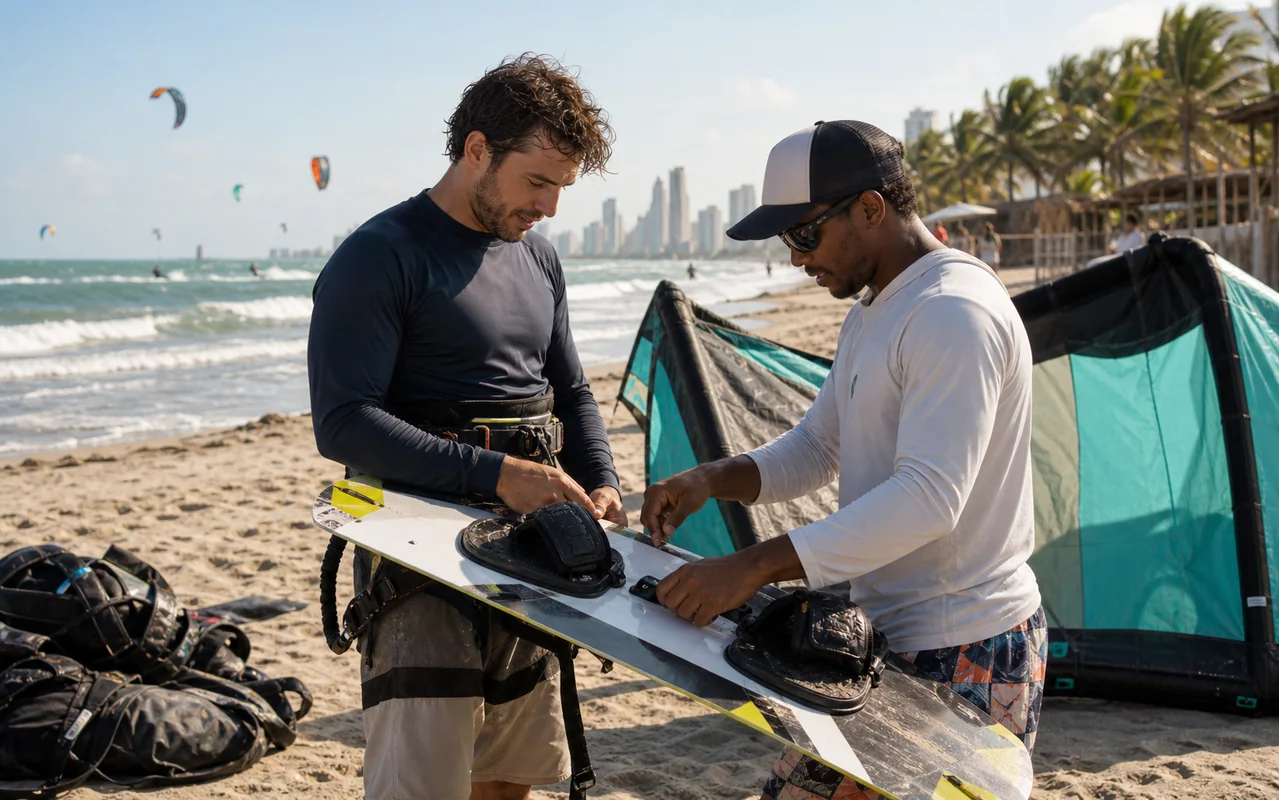
Distinguish technical analysis from a commercial photography session. Confirm delivery format, timing and publication permission for identifiable people. Receiving a video does not mean you consented to promotional use or that a technical assessment is automatically included.
Official reference: IKO · Training videos