Describe experience instead of assuming ability
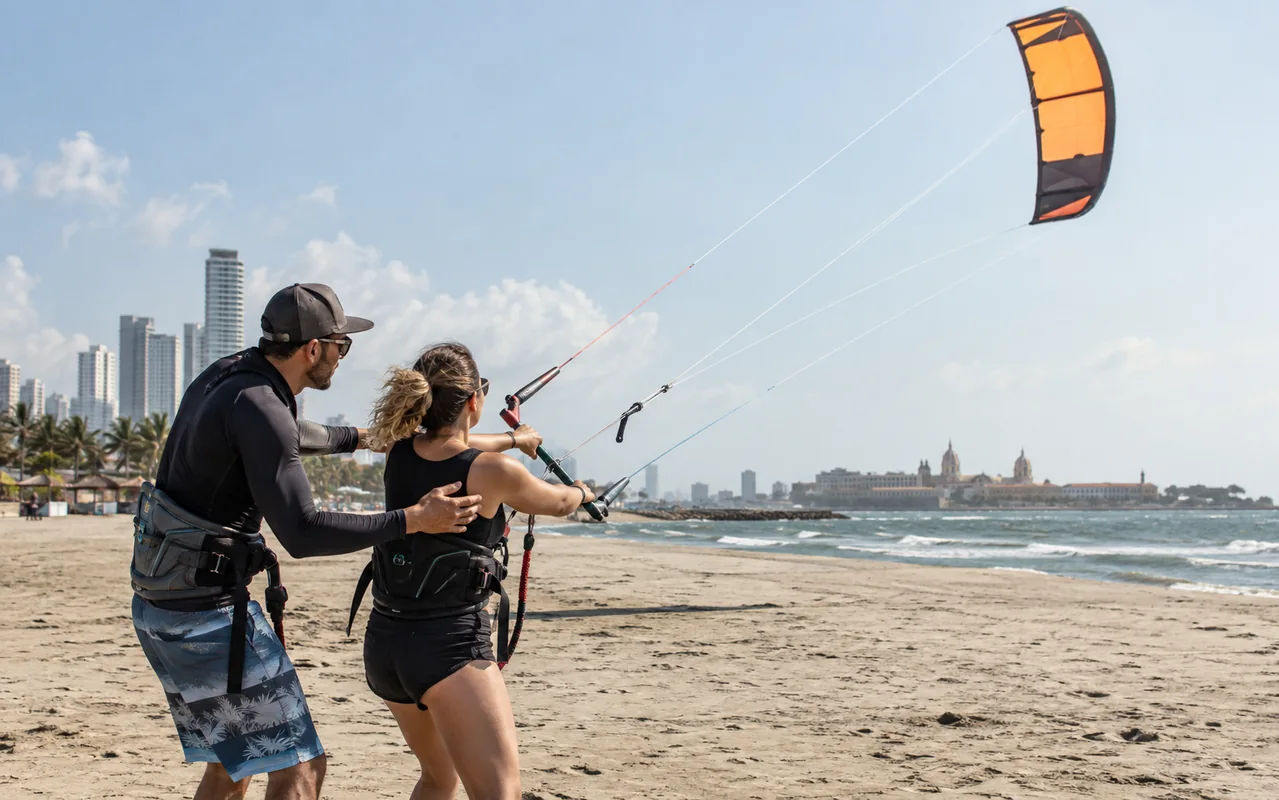
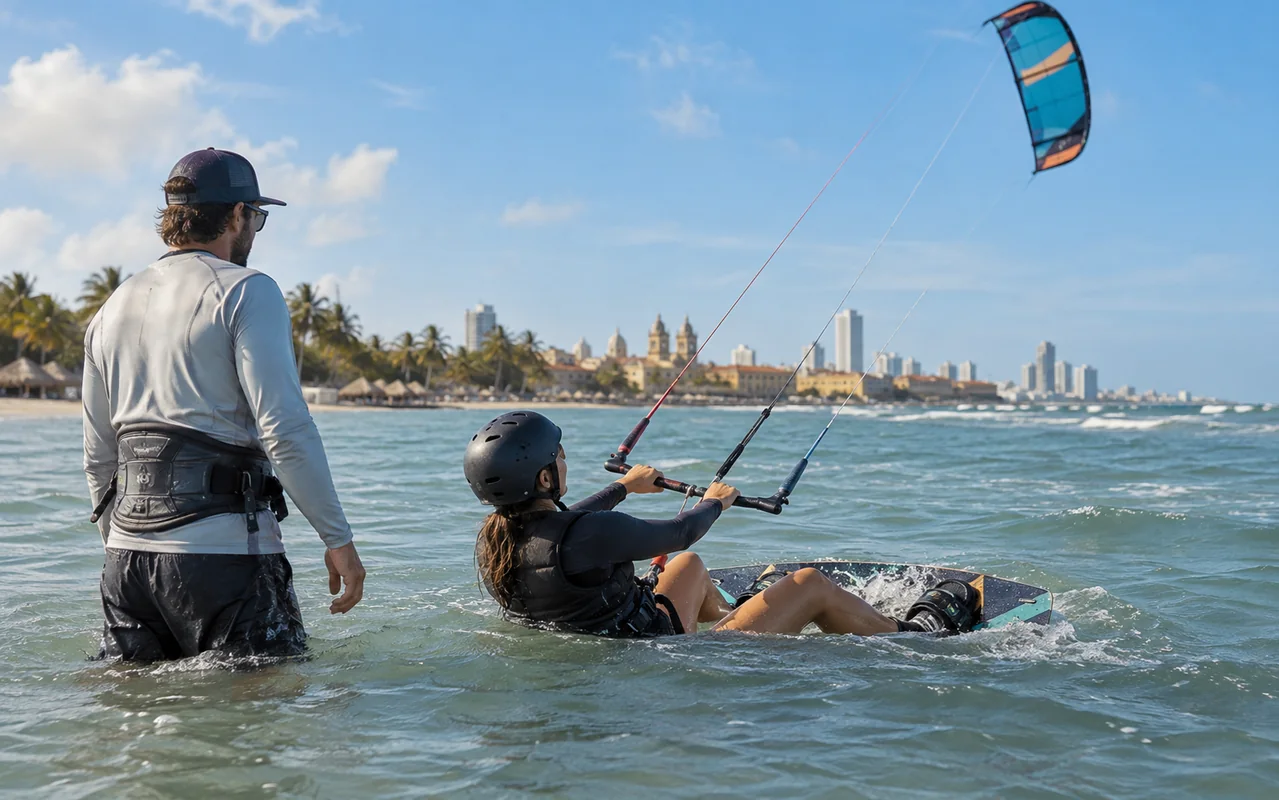
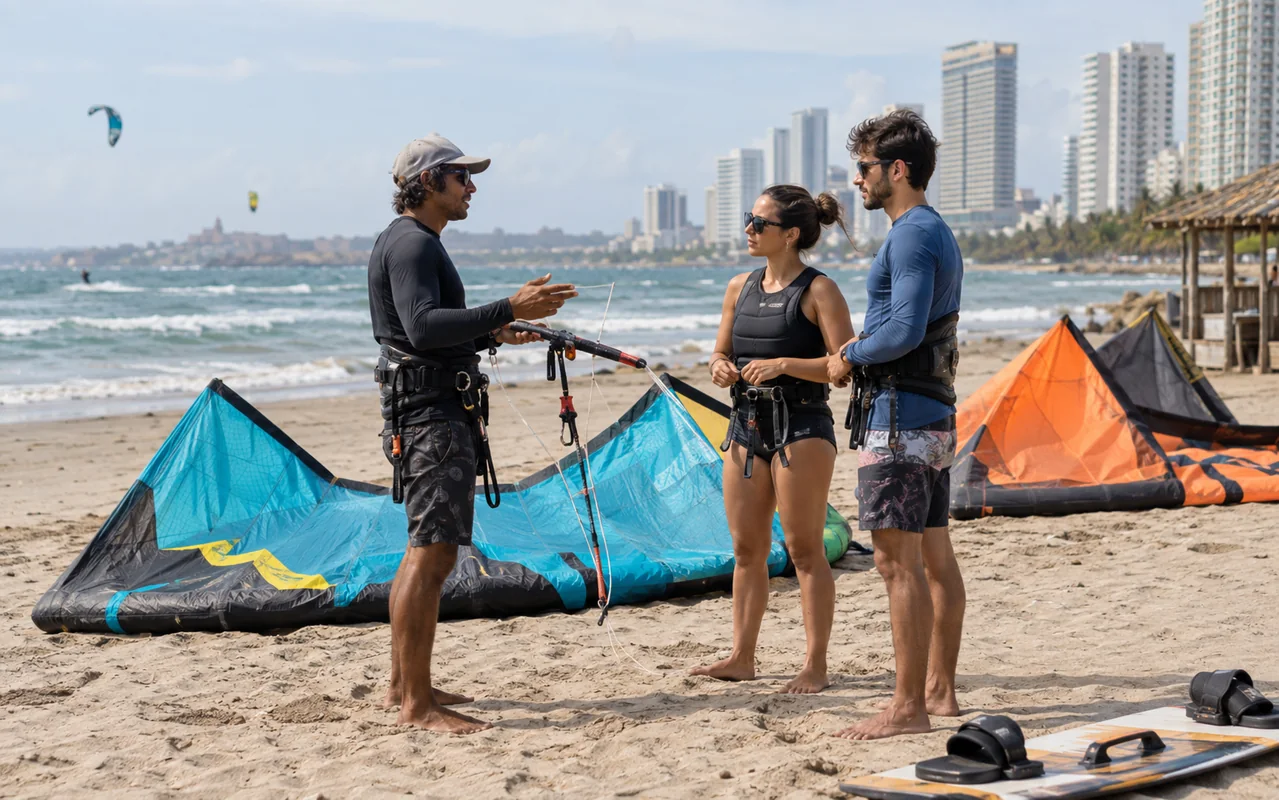
Explain your usual activities and how comfortable you feel in the sea. Never having surfed or skated does not predict a lesson’s outcome. The initial conversation helps select suitable tasks, breaks and explanations rather than assign talent or limitations by age.
Choose a small goal
Understanding a signal, identifying a component or repeating a controlled movement are useful early goals. A series of small, observable achievements provides a clearer foundation than trying to reproduce a jump seen on social media.
Adjust the organisation
Ask about individual attention, session length and spreading learning across several days. Mention needs that affect participation so the school can assess the format. If you need a health assessment, discuss it with an appropriate professional rather than relying on a commercial promise.
Finish with an informed decision
Request a summary of what you learned and what continuing will involve. You can then decide between a one-off experience and ongoing progression. The first session need not prove you will master the sport; it should help you understand how you learn and the support you need.
Official reference: IKO · Training videos